2.png)
Published September 2, 2026
What Buyers Should Know About Older Neighborhoods in Bridgewater
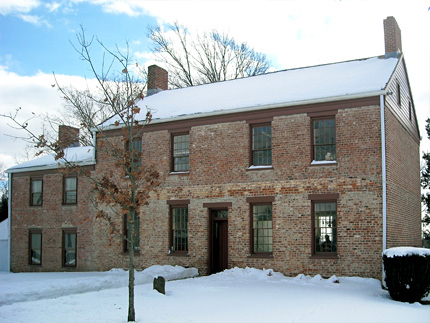
When buyers search for a home in Bridgewater, New Jersey, they often focus on square footage, bedrooms, updated kitchens, and other obvious features.
But there's another factor that can have a major impact on your experience as a homeowner:
The age and character of the neighborhood itself.
Bridgewater has a mix of established neighborhoods, older homes, newer construction, townhomes, condominiums, and properties that have been extensively renovated over the years. For many buyers, older neighborhoods offer advantages that newer developments simply can't replicate.
Mature trees, larger lots, established streets, and a sense of community can all be part of the appeal.
At the same time, buying an older home or a home in an established neighborhood requires a little more due diligence.
Here's what Bridgewater buyers should know before making an offer.
What Makes an Older Bridgewater Neighborhood Appealing?
One of the biggest advantages of established neighborhoods is character.
Older Bridgewater neighborhoods may feature:
- Mature landscaping
- Larger trees
- Established gardens
- Larger or irregularly shaped lots
- More separation between homes
- Traditional architectural styles
- Established streetscapes
- Homes with unique layouts and features
Unlike newer developments, where many homes may look similar, older neighborhoods often have more individual character.
For buyers who don't want a cookie-cutter home, that can be a significant advantage.
Mature Trees Can Be a Major Benefit
One of the first things you'll notice in an established neighborhood is often the landscaping.
Mature trees can provide:
- Shade
- Privacy
- Curb appeal
- Natural beauty
- A more established neighborhood feel
However, mature trees also require maintenance.
Before purchasing a property with extensive landscaping, consider the potential costs associated with tree trimming, removal, landscaping, and maintenance.
It's also important to have trees near the home evaluated when appropriate, particularly if there are large or aging trees.
Older Homes May Have Larger Lots
Many buyers are surprised by how much outdoor space some older Bridgewater properties offer.
Older neighborhoods were often developed differently from newer communities, and some properties may have generous yards and more separation from neighboring homes.
For buyers who want:
- A pool
- Outdoor entertaining
- Gardens
- Play areas
- Pets
- Privacy
a larger lot can be a major selling point.
But remember that a larger lot also means more maintenance.
Character Doesn't Mean Move-In Ready
An older home can have beautiful architecture and excellent bones while still requiring updates.
When touring an older property, look beyond cosmetic features.
Pay attention to the condition and age of:
- Roof
- HVAC systems
- Water heater
- Windows
- Electrical system
- Plumbing
- Siding
- Foundation
- Basement
A freshly painted interior may make a home feel new, but it doesn't tell you how old the mechanical systems are.
Renovations Can Change the Equation
Many older Bridgewater homes have been renovated over the years.
You may encounter properties with:
- Updated kitchens
- Modern bathrooms
- Finished basements
- Newer roofs
- Replacement windows
- Updated electrical systems
- New HVAC equipment
- Expanded living areas
When you see extensive renovations, ask about permits, contractors, warranties, and when the work was completed.
Not every renovation adds the same amount of value, and workmanship matters.
Understand the Difference Between Cosmetic and Structural Updates
Not all updates are created equal.
A new backsplash or flooring can improve the appearance of a home, but replacing a roof or updating an HVAC system can have a much greater impact on ownership costs.
When evaluating an older home, divide potential improvements into categories.
Cosmetic Updates
These might include:
- Paint
- Flooring
- Lighting
- Fixtures
- Cabinet finishes
Functional Updates
These can include:
- Kitchen renovations
- Bathroom renovations
- New appliances
- Improved insulation
- Updated windows
Major System Updates
These may include:
- Roof replacement
- HVAC replacement
- Electrical upgrades
- Plumbing improvements
- Foundation or drainage work
Understanding the difference can help you determine whether you're looking at a home that needs a little updating—or one that could require a significant investment.
Pay Attention to Basements
Basements are common in many established New Jersey homes, and they can be extremely useful.
But older basements deserve careful attention.
Look for signs of:
- Water intrusion
- Moisture
- Mold
- Cracking
- Poor drainage
- Previous repairs
Ask about sump pumps and drainage systems when applicable.
A finished basement can add valuable living space, but it's still important to understand the condition of the underlying foundation and water management systems.
Check for Older Electrical and Plumbing Systems
Older homes can contain electrical and plumbing systems that differ from what buyers are accustomed to seeing in newer construction.
Depending on the home's age and renovation history, an inspector may identify issues that should be evaluated by qualified professionals.
Don't automatically assume that an older system is unsafe or problematic—but don't ignore it either.
The important thing is understanding its condition and remaining useful life.
Property Layouts May Be Different
Older homes don't always have the open-concept layouts that are popular in newer construction.
You may find:
- Separate dining rooms
- Smaller kitchens
- Formal living rooms
- Smaller bedrooms
- More defined spaces
- Less closet space
For some buyers, this is a drawback.
For others, it's exactly what they want.
A home with separate rooms can provide privacy and flexibility, especially for families working or studying from home.
Parking and Garages Can Vary
Don't assume that every older home will have the same garage or driveway configuration as a newer home.
Some properties may have:
- Attached garages
- Detached garages
- One-car garages
- Two-car garages
- Driveway parking
- Limited street parking
Think about how many vehicles your household currently has and how that could change in the future.
Older Neighborhoods Can Offer Better Landscaping and Privacy
One of the biggest lifestyle benefits of established neighborhoods is the way properties mature over time.
Instead of newly planted trees and recently installed landscaping, you may find homes surrounded by mature greenery.
That can create:
- More privacy
- More shade
- Better curb appeal
- A more established atmosphere
For many buyers, this is something that can't simply be replicated by purchasing a brand-new home.
It takes decades for landscaping to reach that level of maturity.
Location Still Matters Most
One of the biggest advantages of established Bridgewater neighborhoods is often their location.
Some older residential areas are close to:
- Shopping
- Restaurants
- Parks
- Schools
- Major roads
- Recreation
- Everyday services
When comparing properties, consider how the neighborhood fits into your daily routine.
A slightly older home in a convenient location may be a better long-term fit than a newer home that requires significantly more driving.
Don't Assume Older Means Less Valuable
Age alone doesn't determine a property's value.
An older home in a desirable neighborhood with a large lot, excellent maintenance, and thoughtful renovations can be extremely appealing.
Conversely, a newer home in a less desirable location may not necessarily provide better value.
When comparing properties, consider the entire package:
Location + lot + condition + layout + updates + neighborhood + price.
Get a Professional Home Inspection
A professional inspection is particularly important when purchasing an older home.
An inspector can help identify potential concerns involving:
- Structure
- Roof
- Electrical
- Plumbing
- HVAC
- Basement
- Exterior
- Drainage
The inspection isn't about expecting the house to be perfect.
Older homes naturally have more history.
The purpose is to understand that history and identify issues that could affect your decision.
Ask About Renovation History
If a home has been updated, find out what was actually done.
Questions to consider include:
- When was the roof replaced?
- When was the HVAC system installed?
- Were the windows replaced?
- Has the electrical system been updated?
- Has the plumbing been updated?
- Was the basement finished?
- Were additions made?
- Were permits obtained when required?
Documentation can be extremely valuable when evaluating an older property.
Think About Future Maintenance
Before buying an older home, consider not only the current condition but also what may need attention in the next five to ten years.
For example, if the roof is already approaching the end of its expected lifespan and the HVAC system is also older, those costs could arrive relatively close together.
Your real estate agent and inspector can help you identify questions to investigate, while qualified contractors can provide estimates for major work.
Older Neighborhoods Can Be a Great Fit for the Right Buyer
Established Bridgewater neighborhoods can be especially attractive to buyers who value:
- Character
- Mature landscaping
- Larger lots
- Privacy
- Convenient locations
- Established communities
- Renovation potential
They may be less appealing to buyers who want:
- Brand-new construction
- Modern open-concept layouts
- Minimal maintenance
- The newest building systems
Neither approach is necessarily better.
It depends on what you want from your home.
Why Local Expertise Matters
Understanding an older home requires more than looking at the year it was built.
You need to understand the neighborhood, the property's history, comparable sales, potential maintenance needs, renovations, and how buyers in the local market value different features.
The Klug Realty Group works with buyers throughout Bridgewater and Somerset County and can help you evaluate the differences between established neighborhoods, newer communities, and individual properties.
Their local market knowledge can help you identify potential advantages, ask the right questions, and determine whether an older Bridgewater home fits your goals and budget.
Final Thoughts
Older neighborhoods in Bridgewater offer something many newer developments can't: character that has developed over decades.
Mature trees, established landscaping, larger lots, unique homes, and convenient locations can make these neighborhoods incredibly appealing.
But buyers should also understand that older homes may require more careful inspection and maintenance planning.
Don't let the age of a home automatically scare you away—and don't let beautiful character cause you to overlook potential issues.
Instead, evaluate the property as a whole.
If the location, lot, layout, condition, and long-term costs make sense, an older Bridgewater home could be exactly the kind of property you've been looking for.
If you're considering buying in an established Bridgewater neighborhood, the Klug Realty Group can help you explore your options and make a confident, informed decision.
