
Published October 7, 2026
The Role of Natural Light When Choosing a Somerset County Home

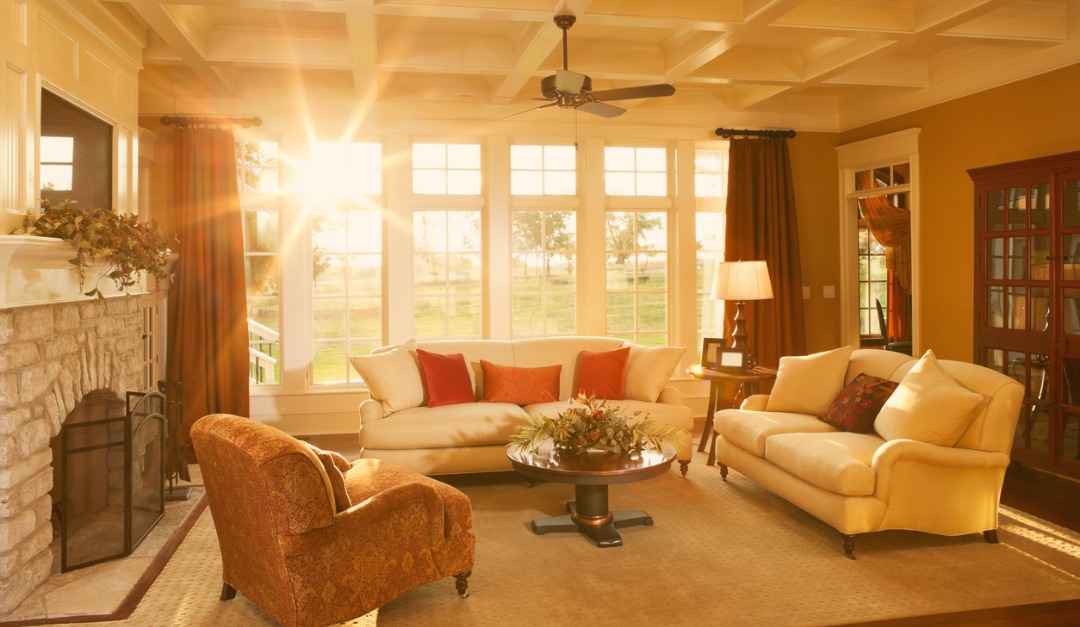
When you're touring homes in Somerset County, it's easy to focus on the big-ticket features: the number of bedrooms, kitchen finishes, backyard size, garage space, or the condition of the roof and HVAC system.
But there's another feature that can have a major impact on how a home feels every day: natural light.
A house can have a beautiful floor plan and high-end finishes, but if the main living spaces feel dark throughout the day, the home may not feel as inviting as it looked in the listing photos. On the other hand, a home with abundant natural light can feel brighter, more open, and more comfortable without requiring major renovations.
For Somerset County buyers, understanding how to evaluate natural light during a showing can help you make a more informed decision about whether a property truly fits your lifestyle.
Why Natural Light Matters When Buying a Home
Natural light affects much more than appearance.
The amount and quality of sunlight entering a home can influence how rooms feel, how colors appear, and how comfortable the space is throughout the day.
Bright rooms may feel:
- More spacious and open
- More welcoming for family and guests
- Easier to work or study in
- More connected to outdoor spaces
- More attractive without relying heavily on artificial lighting
Natural light can also change significantly from one room to another. A kitchen may receive excellent morning sunlight while a family room gets more afternoon light. A bedroom facing a different direction may feel completely different.
That's why buyers shouldn't evaluate a home's lighting based on a single five-minute showing.
Pay Attention to the Home's Orientation
One of the first things to consider is which direction the major windows face.
The sun moves across the sky throughout the day, so the orientation of a home can affect when different rooms receive direct or indirect sunlight.
For example:
- East-facing windows generally receive more morning light.
- South-facing windows can receive substantial sunlight throughout the day.
- West-facing windows tend to receive stronger afternoon and evening light.
- North-facing windows typically provide more consistent, indirect light.
This doesn't mean one orientation is automatically better than another. Your preferred lighting depends on how you use the rooms.
If you enjoy bright mornings in the kitchen, eastern exposure may be appealing. If you spend most of your time in a family room after work, afternoon or western exposure might matter more.
Look Beyond the Windows Themselves
Large windows don't necessarily guarantee a bright room.
During a showing, look at what's outside those windows.
A home may have beautiful oversized windows, but mature trees, neighboring houses, fences, hills, or other structures can limit the amount of light entering the room.
This is particularly important in established Somerset County neighborhoods where mature landscaping can be part of the property's appeal.
Look at:
- Trees directly outside major windows
- Neighboring homes and their proximity
- Fences and privacy screens
- Hills or changes in elevation
- Covered patios or decks
- Nearby structures
- Landscaping that could eventually grow taller
Think about both the current situation and how the property could change over time.
Visit at Different Times of Day
If natural light is important to you, consider asking whether you can see the home at another time of day.
A property viewed at 10 a.m. may look completely different at 4 p.m.
During your initial showing, pay attention to which rooms are bright and which remain relatively dark. Then consider whether that lighting pattern works with your daily routine.
Ask yourself:
- Where does the morning light enter?
- Which rooms receive afternoon sun?
- Does the kitchen feel bright when you would normally use it?
- Is the primary bedroom naturally bright or shaded?
- Does the family room get enough daylight?
- Does the basement receive any meaningful natural light?
The answers can help you determine whether the home's lighting matches your lifestyle.
Don't Judge a Home Solely by Listing Photos
Real estate photography can make a significant difference in how bright a property appears online.
Professional photographers may use equipment and techniques that produce brighter, more balanced images. Photos may also be taken at a specific time of day when the home looks its best.
That's useful for marketing, but buyers should evaluate the actual property in person.
When you're touring a home, pay attention to what the camera may not show:
- Dark corners
- Rooms with limited windows
- North-facing spaces
- Window obstructions
- Small windows relative to room size
- Artificial lighting that is doing most of the work
- Differences between rooms
A bright photograph doesn't necessarily mean the room receives abundant natural light throughout the day.
Consider Window Size and Placement
Window size matters, but window placement matters too.
Two homes with similar square footage can have dramatically different lighting depending on where windows are located.
Look for windows that bring light deep into the room rather than concentrating it in one small area.
Also consider:
- Window height
- Number of windows
- Window spacing
- Glass area
- Interior walls that block light
- Doorways connecting adjacent rooms
- Skylights or additional architectural features
An open room with windows on multiple walls can distribute daylight differently than a room with one large window on a single exterior wall.
Pay Attention to Trees and Landscaping
Somerset County is known for established neighborhoods with mature trees and substantial landscaping, which can contribute to privacy and curb appeal.
However, landscaping can also affect natural light.
A heavily wooded backyard may create a beautiful setting while reducing sunlight entering the home.
That doesn't necessarily make the property undesirable. It simply means buyers should understand the trade-off.
Look carefully at:
- Trees immediately adjacent to the home
- Tree height and canopy coverage
- Seasonal differences
- Landscaping around basement windows
- Shrubs blocking lower-level windows
- Potential future growth
If you're considering a home with extensive landscaping, ask whether any trees or large plantings have recently been removed or whether future maintenance may be necessary.
Don't Forget About the Basement
Basements deserve special attention.
A finished basement can provide valuable living space, but not every finished basement offers the same amount of natural light.
Walk through the lower level and determine whether it has:
- Full-size windows
- Egress windows
- Walkout access
- Window wells
- Limited-height windows
- Interior rooms with no exterior windows
If you expect your basement to function as a family room, home office, gym, guest area, or entertainment space, natural light may be more important than if you plan to use it primarily for storage.
A finished basement that feels bright and comfortable can function very differently from one that feels enclosed.
Think About Seasonal Changes
A home can look different throughout the year.
Deciduous trees may provide significant shade during the summer but allow much more sunlight into the house after their leaves fall.
That's why buyers should consider the property across seasons rather than judging it entirely from one visit.
If you're buying during the summer, for example, ask yourself how the landscaping may affect winter lighting. If you're touring in the winter, consider how much additional shade the trees create once they're fully leafed out.
Your real estate agent can also help you identify questions to ask the seller about landscaping, renovations, and changes to the property.
Natural Light and Interior Design
Natural light should also influence how you think about a home's interior finishes.
Paint colors, flooring, cabinetry, countertops, and window treatments can all affect how a room appears.
A room with limited natural light may feel darker with certain finishes, while lighter colors and reflective surfaces can make the space feel brighter.
This doesn't mean you should avoid a home simply because some rooms are darker. It means you should consider whether the home's current lighting works for you and whether relatively simple design changes could improve it.
For example, you may be able to increase the perceived brightness of a room through:
- Lighter wall colors
- Sheer window treatments
- Mirrors
- Lighter flooring
- Strategic lighting
- Open furniture arrangements
- Glass-paneled interior doors
These are very different considerations from major structural changes such as adding windows or skylights.
Natural Light vs. Privacy
One of the most important trade-offs buyers should consider is light versus privacy.
Large windows can provide beautiful views and abundant daylight, but they may also expose the home to neighboring properties.
Conversely, dense landscaping and window treatments can increase privacy while reducing the amount of natural light entering the home.
Somerset County homes can vary considerably in lot size and neighborhood density, so consider how the property's surroundings affect this balance.
Ask yourself:
Would I rather have more sunlight, more privacy, or a combination of both?
There may be ways to achieve both, but it's useful to identify your priorities before making an offer.
Consider the Home's Future Resale Appeal
Natural light isn't the only factor that affects resale value, and buyers shouldn't assume that a bright home will automatically command a particular premium.
However, lighting can contribute to the overall experience of a property.
Features such as attractive windows, functional layouts, appealing outdoor views, and comfortable living spaces can all contribute to how buyers perceive a home.
When evaluating a property as a long-term purchase, consider whether the home's natural-light characteristics are likely to work for your needs now and several years from now.
A home that feels comfortable and functional for your household is generally a more meaningful consideration than trying to predict exactly how future buyers will respond.
Questions to Ask During a Home Showing
If natural light is high on your priority list, bring a few questions with you.
Consider asking:
- Which rooms receive the most direct sunlight?
- What time of day does each major living area receive the most light?
- Are there mature trees affecting the windows?
- Have any trees or landscaping recently been removed?
- Are there restrictions on removing or trimming trees?
- Does the basement have usable natural light?
- Have the windows been replaced?
- Are there rooms that require significant artificial lighting during the day?
- Does the seller know of any planned construction nearby?
- Can you schedule a second showing at a different time of day?
These questions can help you look beyond the surface appearance of the property.
Natural Light Considerations by Somerset County Home Type
Different types of homes may present different lighting considerations.
Single-Family Homes
Detached homes often provide more flexibility because they may have windows on multiple sides of the property.
Pay particular attention to:
- Lot orientation
- Mature trees
- Neighboring homes
- Room placement
- Window sizes
- Outdoor structures
Townhomes
Townhomes can have fewer exterior exposures depending on their design and location within the community.
End units may have different window configurations than interior units, so compare how much daylight reaches the main living spaces.
Condos
In a condo, the building's orientation, floor level, surrounding structures, and neighboring units can all influence natural light.
Don't assume that a higher floor automatically means better lighting. Window direction and surrounding buildings still matter.
Older Homes
Older Somerset County homes may have plenty of character but sometimes feature smaller or differently positioned windows than newer construction.
That doesn't make them less appealing. It simply means buyers should evaluate the existing lighting rather than assuming the home can easily be modified later.
A Simple Natural Light Checklist for Buyers
Before leaving a showing, take a few minutes to evaluate each major living area.
Ask yourself:
- Does this room feel bright enough?
- Which direction do the windows face?
- What is blocking the sunlight?
- How does the room look without artificial lights?
- Would I be comfortable spending several hours here?
- Does the lighting fit how I use the room?
- Will the lighting change significantly with the seasons?
- Am I comfortable with the balance between sunlight and privacy?
You can even take notes for each property so that homes don't start blending together after several showings.
How Klug Realty Group Can Help
Natural light is just one part of evaluating whether a Somerset County property is the right fit.
When you're comparing homes, it's helpful to look at the complete picture: location, layout, lot, condition, taxes, neighborhood characteristics, future maintenance, and how the property fits your long-term plans.
A local real estate team can also help you identify details that may not be immediately obvious during a showing, from the way a neighborhood is oriented to questions worth asking about the property.
Klug Realty Group works with buyers throughout Somerset County and can help you evaluate homes based on both their visible features and the practical considerations that come with owning them.
Final Thoughts
Natural light isn't simply an aesthetic feature. It can influence how comfortable, functional, and inviting a home feels throughout the day.
When touring Somerset County properties, look beyond the size of the windows. Consider their direction, placement, surrounding landscaping, seasonal changes, privacy, and how each room fits into your daily routine.
Most importantly, don't make your decision based solely on listing photos or a single quick showing.
The right home should work for your lifestyle in more ways than one—and understanding its natural-light characteristics is an important part of that evaluation.
