2.png)
Published June 22, 2026
How to Prepare for a Home Inspection as a Seller
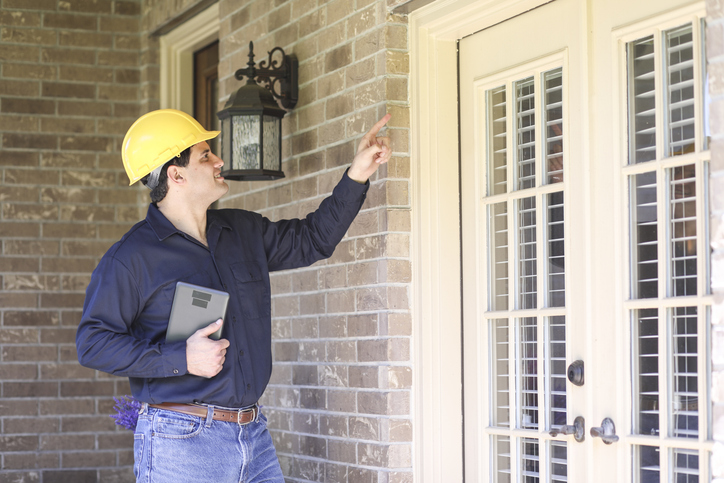
After accepting an offer on your home, you may feel like the hard part is over. But one important step still remains: the home inspection.
A home inspection can significantly impact a transaction. While it's normal for inspectors to uncover minor issues, preparing your home ahead of time can help the process go more smoothly and reduce the chances of unexpected surprises.
If you're planning to sell your home in Somerset County, here's how to get ready for a buyer's home inspection.
Understand What a Home Inspector Is Looking For
A home inspector evaluates the property's major systems and overall condition. They're not there to judge your decorating style or housekeeping—they're looking for potential safety concerns, deferred maintenance, and issues that may require repair.
Common areas inspectors review include:
- Roof and gutters
- Foundation and structural components
- Heating and cooling systems
- Plumbing
- Electrical systems
- Windows and doors
- Attic and insulation
- Basement and crawl spaces
- Appliances included in the sale
Knowing what inspectors focus on allows sellers to address issues before they become negotiation points.
Take Care of Small Repairs
Minor issues may seem insignificant, but they can create the impression that a home hasn't been well maintained.
Before the inspection, consider fixing:
- Leaky faucets
- Loose handrails
- Cracked caulking
- Running toilets
- Missing outlet covers
- Sticking doors or windows
- Burned-out light bulbs
- Loose cabinet hardware
These inexpensive fixes can help present your home in its best light.
Make Sure Everything Is Accessible
Inspectors need access to all major systems and areas of the home.
Before the appointment:
- Clear access to the electrical panel
- Move storage away from the furnace and water heater
- Unlock gates, sheds, and utility rooms
- Ensure attic and crawl space entrances are accessible
- Remove items blocking basement walls or equipment
Easy access helps the inspection proceed efficiently and prevents unnecessary concerns.
Replace Air Filters and Service Major Systems
Simple maintenance tasks can make a positive impression.
Consider:
- Replacing HVAC filters
- Cleaning vents
- Servicing heating or cooling systems if overdue
- Changing batteries in smoke detectors
- Testing carbon monoxide detectors
These steps demonstrate that the home has been regularly maintained.
Address Moisture Issues
Water-related concerns often attract extra attention during inspections.
Before the inspection:
- Repair visible leaks
- Check for plumbing drips under sinks
- Clean gutters if necessary
- Ensure downspouts direct water away from the foundation
- Remove signs of standing water or moisture
If you've previously repaired a water issue, having documentation available can also be helpful.
Organize Important Documents
Buyers appreciate knowing that a home has been cared for.
Consider gathering:
- Roof replacement records
- HVAC service receipts
- Appliance warranties
- Renovation permits
- Recent repair invoices
- Pest treatment records
Providing documentation can give buyers additional confidence in the property's condition.
Keep Utilities On
It may sound obvious, but all utilities should remain active during the inspection.
Inspectors need to test:
- Heating and cooling systems
- Electrical outlets and fixtures
- Plumbing fixtures
- Appliances
- Water heaters
Turning off utilities can delay the inspection or raise unnecessary concerns.
Don't Stress About a Perfect Report
Many sellers are surprised to learn that almost every inspection report includes findings.
Even newer homes may have:
- Minor maintenance recommendations
- Cosmetic concerns
- Routine wear and tear
- Suggested future upgrades
The goal isn't perfection—it's demonstrating that your home has been properly maintained and that any issues are manageable.
Consider a Pre-Listing Inspection
Some sellers choose to have their own inspection before putting the home on the market.
Benefits can include:
- Identifying issues early
- Making repairs on your timeline
- Reducing surprises during negotiations
- Providing greater confidence when listing
While not necessary for every sale, a pre-listing inspection can be a useful strategy in certain situations.
Why Local Expertise Matters
Preparing for a home inspection is about more than fixing a few items—it's about understanding what buyers expect and positioning your home for a successful transaction.
The Klug Realty Group helps sellers throughout Somerset County prepare their homes for every stage of the selling process, from pricing and marketing to inspections and closing. Their local experience helps homeowners anticipate challenges and navigate the process with confidence.
Final Thoughts
A home inspection doesn't have to be stressful.
By addressing small repairs, maintaining major systems, and preparing your home ahead of time, you can help create a smoother experience for both you and the buyer.
The goal isn't to have a perfect home—it's to show that your property has been well cared for and is ready for its next owner. With the right preparation, you'll be well positioned to move successfully through one of the final steps of the selling process.
