
Published October 9, 2026
Buying a Home With a Finished Basement: What to Inspect and Consider
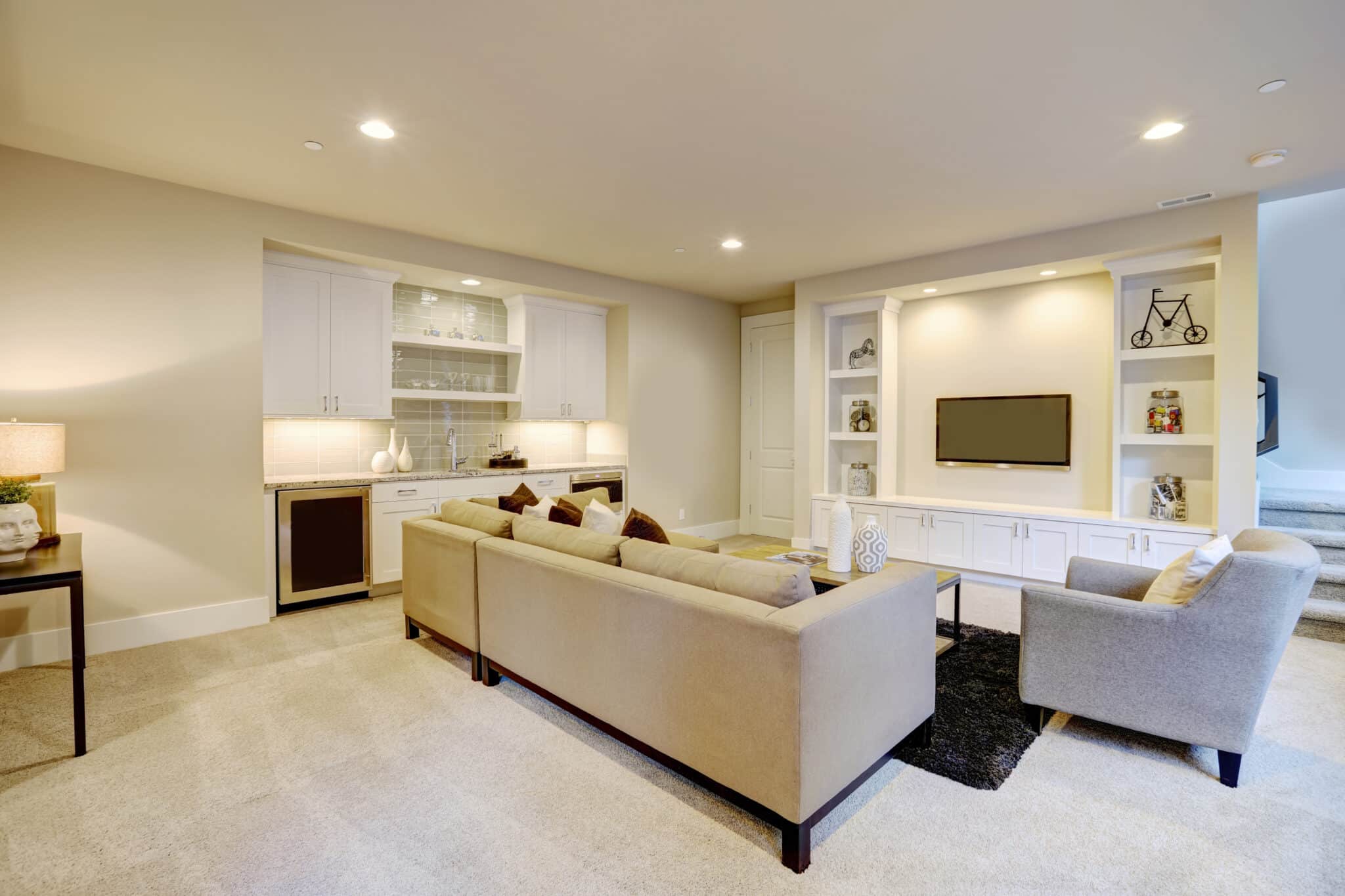
A finished basement can be one of the most appealing features of a Somerset County home.
It can provide additional living space for a family room, home office, gym, playroom, guest area, media room, or entertainment space—without requiring a larger above-grade footprint.
But buyers should look beyond the finished walls and attractive flooring.
A basement is part of the home where moisture, drainage, ventilation, structural conditions, and previous renovations can all become important considerations. A beautifully finished space doesn't necessarily tell you what's happening behind the walls or underneath the flooring.
If you're considering buying a Somerset County home with a finished basement, here's what to inspect and what to think about before making an offer.
Why a Finished Basement Can Be Valuable
One of the biggest advantages of a finished basement is flexibility.
Depending on its layout and condition, a basement may give you room for:
- A family or recreation room
- A home theater
- A home office
- A children's playroom
- A workout area
- A guest space
- A hobby or craft room
- Additional storage
- A combination of living and storage areas
For households that need more usable space but don't necessarily want to move into a much larger home, a finished basement can be particularly attractive.
However, buyers should distinguish between finished square footage and the home's above-grade living area.
Real estate listings and property records may treat basement space differently depending on how it was constructed, permitted, and documented. Don't assume that every finished basement adds the same value or is counted the same way as above-grade rooms.
Start With the Inspection
A professional home inspection is especially important when you're buying a home with a finished basement.
The finished walls can make it harder to see certain conditions, so buyers should pay close attention to whatever portions of the basement are accessible.
Your inspector may evaluate areas such as:
- Foundation walls
- Floors
- Visible framing
- Plumbing
- Electrical systems
- HVAC components
- Windows and doors
- Drainage
- Sump pump
- Visible signs of moisture
- General condition of accessible systems
An inspection isn't a guarantee that a basement will never experience problems. It is a tool for identifying visible or accessible conditions that could affect your decision.
Look Carefully for Signs of Water
Moisture is one of the biggest issues to investigate in a finished basement.
Don't simply look for standing water. Look for less obvious signs that water may have entered the space previously.
Watch for:
- Water stains
- Discoloration
- Peeling paint
- Musty odors
- Damaged flooring
- Warped trim
- Efflorescence on masonry
- Mold-like growth
- Damp areas around windows
- Signs of previous repairs
Pay particular attention to corners, areas around foundation walls, window wells, and the floor near mechanical equipment.
A basement can look completely finished while still having a history of moisture problems.
Understand the Drainage System
The condition of the home's drainage system matters significantly when evaluating a basement.
Ask how water is directed away from the foundation and whether the property has systems such as:
- Gutters and downspouts
- Exterior drainage
- Interior drainage systems
- A sump pump
- A backup sump pump
- A battery backup
- A basement drainage system
If the home has a sump pump, determine where it discharges and whether the system appears properly maintained.
Ask the seller whether the sump pump has ever been replaced and whether the basement has experienced flooding or water intrusion.
These aren't necessarily reasons to walk away from a property. They're questions that help you understand what you're buying.
Check for a Sump Pump and Backup System
Many basements rely on a sump pump to move accumulated groundwater away from the foundation.
If the home has one, inspect its condition and ask questions about its maintenance history.
A buyer may also want to consider whether a backup system is appropriate for the property.
Possible backup options include:
- A second pump
- Battery backup
- Generator-supported power
- Water-powered backup systems where appropriate
The right setup depends on the property and its drainage characteristics.
If a finished basement represents a significant portion of your home's usable space, protecting that space from water damage becomes particularly important.
Don't Ignore the Foundation
Foundation issues deserve careful attention when purchasing any home, but they can be harder to identify in a finished basement.
Walls, paneling, insulation, and drywall may cover areas that would otherwise be easy to inspect.
Look for visible indicators such as:
- Significant cracks
- Horizontal cracking
- Bowing walls
- Uneven floors
- Doors that don't close properly
- Water staining
- Signs of previous structural repairs
Not every crack indicates a serious structural problem. Some may be related to normal settling or other conditions.
The important point is to have questionable conditions evaluated by an appropriate professional rather than making assumptions based on appearance alone.
Ask About Previous Basement Renovations
A finished basement represents some level of renovation or improvement, so find out what work was done and when.
Ask the seller or listing agent:
- When was the basement finished?
- Who performed the work?
- Were permits obtained?
- Were electrical or plumbing systems modified?
- Was the basement insulated?
- Was flooring installed over the original slab?
- Were walls added?
- Was a bathroom installed?
- Was an egress window added?
- Are renovation records available?
Documentation can be especially valuable when substantial work has been completed.
If you have questions about permits or code compliance, discuss them with your real estate professional and the appropriate local municipal office.
Verify Whether the Finished Space Is Permitted
This is one of the most important considerations when buying a finished basement.
A basement can look like a beautiful additional living area without every aspect of the renovation necessarily being reflected in municipal records.
Potential issues can include:
- Unpermitted finished space
- Unpermitted electrical work
- Unpermitted plumbing
- Bedrooms that don't meet applicable requirements
- Bathrooms added without proper approvals
- Structural modifications
- Improperly converted utility areas
Don't assume that because previous owners completed the work, everything was automatically approved.
Ask questions and verify documentation where appropriate.
Pay Attention to Egress
If you're considering using a basement room as a bedroom or sleeping area, egress is particularly important.
Emergency escape and rescue requirements can apply to basement sleeping rooms, and the specific requirements depend on the property and applicable building codes.
Look at:
- Basement windows
- Window size
- Window wells
- Exterior doors
- Access to the main level
- Access to an exterior stairway
A room being marketed as a "bedroom" doesn't necessarily mean it meets all requirements for legal bedroom use.
This is another reason to verify the property's documentation rather than relying solely on listing terminology.
Evaluate Ceiling Height
Ceiling height can have a major effect on how comfortable a basement feels.
Before buying, measure or otherwise verify the ceiling height in the areas you'll use most frequently.
Also pay attention to:
- Ductwork
- Plumbing pipes
- Beams
- Structural posts
- Utility equipment
- Dropped ceilings
A basement may have plenty of square footage but feel less usable if mechanical systems consume significant overhead space.
Inspect the HVAC and Ventilation
Basements can have very different temperature and humidity conditions from the rest of the house.
Pay attention to how the space is heated and cooled.
Ask:
- Are there dedicated HVAC registers?
- Does the basement have adequate return air?
- Is the space consistently comfortable?
- Is there a separate thermostat?
- Are there areas that feel unusually cold or warm?
- Does the basement feel humid?
Good ventilation and temperature control can make a significant difference in whether a finished basement is genuinely comfortable year-round.
Consider Humidity and Air Quality
A basement's below-grade location naturally makes moisture and humidity important considerations.
During your showing, notice whether the space feels:
- Damp
- Musty
- Stuffy
- Cold
- Poorly ventilated
You may also want to ask about the home's history with moisture or mold.
If something concerns you, discuss appropriate additional inspections or testing with qualified professionals.
A finished basement should be evaluated as part of the home's overall environmental condition—not simply as another finished room.
Inspect the Electrical System
Finished basements often include additional lighting, outlets, entertainment equipment, appliances, or home-office setups.
Make sure the electrical system appears appropriate for how you plan to use the space.
Your inspector may identify issues involving:
- Outlets
- Switches
- Wiring
- Electrical panels
- Ground-fault protection where applicable
- Extension-cord usage
- DIY electrical work
If the basement includes a wet bar, bathroom, laundry area, or other plumbing fixtures, electrical and plumbing considerations become even more important.
Think About Flooring Carefully
Basement flooring is another area worth examining closely.
Popular choices include:
- Luxury vinyl
- Tile
- Engineered flooring
- Carpet
- Finished concrete
Look for signs of:
- Buckling
- Warping
- Staining
- Moisture damage
- Uneven surfaces
- Soft spots
- Previous water damage
It's also worth asking how the flooring was installed.
For example, flooring installed directly over a basement slab may perform differently from a properly designed flooring system that accounts for potential moisture.
Don't Forget the Utility Area
A finished basement often contains the home's mechanical systems.
Make sure the finished design hasn't made access to those systems difficult.
You may need regular or future access to:
- Furnace
- Boiler
- Water heater
- Electrical panel
- Plumbing shutoffs
- Main water line
- Sump pump
- HVAC equipment
A basement that looks polished but leaves equipment difficult to reach can create maintenance challenges later.
Ask yourself whether technicians could reasonably access the equipment without removing finished walls, flooring, or built-in furniture.
Look at Storage Space
One common mistake buyers make is focusing so heavily on the finished living area that they overlook storage.
Basements are often valuable because they provide both living space and storage.
Look for practical areas where you can store:
- Seasonal decorations
- Holiday items
- Luggage
- Sports equipment
- Tools
- Household supplies
- Children's items
If every available square foot has been converted into finished space, you may actually lose some of the basement's practical storage value.
Consider the Layout
Not every finished basement has the same functionality.
A basement divided into several small rooms may work well for an office, guest area, or hobby space but feel less useful as a family room.
An open layout may provide greater flexibility but less privacy.
Think about how you would actually use the space.
Would you rather have:
- One large recreation room?
- A home office plus family room?
- A guest suite?
- A gym?
- A media room?
- A combination of finished and unfinished areas?
The right layout depends on your household.
Pay Attention to Natural Light
Natural light can make a major difference in how a basement feels.
During your showing, look at:
- Window size
- Window placement
- Window wells
- Walkout doors
- Exposure to outdoor areas
- Landscaping around windows
A basement with larger windows or walkout access may feel substantially different from one that relies almost entirely on artificial lighting.
If natural light is important to you, consider visiting the home at different times of day.
Think About Future Resale
You may love a finished basement today, but it's still worth considering how flexible the space will be if you eventually sell.
Features that may make a basement more broadly useful include:
- Flexible room layouts
- Good lighting
- Comfortable ceiling height
- Convenient bathroom access
- Adequate storage
- Proper egress
- Quality finishes
- Good overall condition
Highly personalized spaces aren't necessarily a problem, but buyers should consider whether the space can adapt to different uses over time.
Finished Basement Buyer Checklist
Before moving forward with a home that has a finished basement, consider this checklist:
Structure
- ☐ Foundation appears in good condition
- ☐ No significant visible cracking
- ☐ No obvious signs of structural movement
- ☐ Floors appear reasonably level
Water and Drainage
- ☐ No visible water damage
- ☐ No persistent musty odor
- ☐ Sump pump inspected
- ☐ Drainage system understood
- ☐ Gutters and downspouts appear functional
- ☐ No obvious moisture concerns
Renovation
- ☐ Basement renovation history is known
- ☐ Permits have been investigated where appropriate
- ☐ Electrical work appears properly completed
- ☐ Plumbing work has been evaluated
- ☐ Any finished bedroom meets applicable requirements
Comfort
- ☐ Heating and cooling are adequate
- ☐ Humidity appears manageable
- ☐ Ceiling height works for your needs
- ☐ Layout fits your intended use
- ☐ Natural light is sufficient
Practicality
- ☐ Mechanical systems remain accessible
- ☐ Storage is adequate
- ☐ Electrical capacity fits your needs
- ☐ Flooring is in good condition
- ☐ Future resale flexibility has been considered
When a Finished Basement Should Prompt More Questions
A finished basement isn't automatically a concern because it has one or two issues.
However, certain combinations should encourage buyers to investigate further.
For example, take a closer look if you encounter:
- Extensive finished walls with little visible foundation
- A strong musty odor
- Multiple signs of previous water intrusion
- Recent cosmetic repairs covering potentially damaged areas
- Unclear renovation history
- Questionable bedroom configurations
- Difficult access to mechanical systems
- Significant foundation cracks
- Unusual floor slopes
- Extensive DIY electrical or plumbing work
The goal isn't to assume there's a problem. It's to make sure you understand the property's condition before committing to the purchase.
How a Local Real Estate Team Can Help
Buying a home with a finished basement involves more than deciding whether you like the extra living space.
You need to understand how the basement was finished, how it has been maintained, whether improvements were properly documented, and whether the space fits your plans for the property.
A local real estate professional can help you identify questions to ask, coordinate the inspection and due-diligence process, and help you understand how the basement fits into the overall value and functionality of the home.
For Somerset County buyers, Klug Realty Group can help you evaluate homes with an eye toward both immediate livability and long-term ownership considerations.
Final Thoughts
A finished basement can add tremendous flexibility to a Somerset County home.
But the most attractive basement isn't necessarily the one with the most expensive finishes. It's the one that is dry, structurally sound, properly finished, comfortable, accessible, and useful for your household.
Before making an offer, look beyond the finished walls. Investigate moisture and drainage, inspect the foundation, understand the renovation history, verify important documentation, evaluate the HVAC and electrical systems, and think carefully about how you'll use the space.
A thorough evaluation can help you enjoy the benefits of a finished basement while reducing the chance of unpleasant surprises after closing.
