
Published September 30, 2026
Bridgewater Townhome Living: What Buyers Should Consider Before Making an Offer

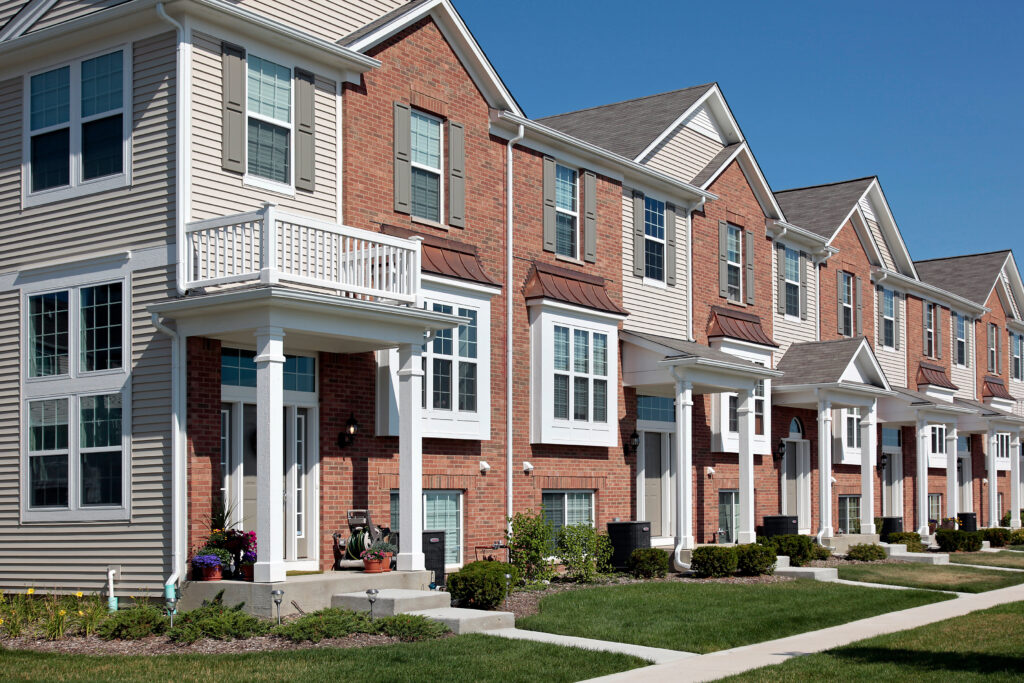
For buyers looking for a balance between space and convenience, a townhome can be an attractive alternative to a traditional single-family home. In Bridgewater, New Jersey, townhome communities offer a variety of layouts, amenities, and ownership structures that can appeal to first-time buyers, downsizers, professionals, and households looking for less exterior maintenance.
But buying a townhome is different from buying a detached single-family property. In addition to evaluating the home itself, buyers need to understand the community, association rules, monthly fees, maintenance responsibilities, and potential future costs.
If you're considering a Bridgewater townhome, here are some important factors to review before making an offer.
1. Understand Exactly What You Own
One of the first questions to ask is what is included in your ownership.
Townhome ownership can vary depending on the community and governing documents. In some communities, the homeowner may be responsible for maintaining certain exterior elements, while the association handles others.
Before making an offer, find out who is responsible for:
- Roof maintenance
- Siding or exterior walls
- Windows and doors
- Landscaping
- Snow removal
- Driveways
- Sidewalks
- Common areas
- Exterior lighting
- Certain utility components
Don't assume that two townhome communities operate the same way.
Review the governing documents and association information carefully so you understand your responsibilities before becoming a homeowner.
2. Look Closely at the HOA or Association Fee
Monthly association fees are an important part of the true cost of owning a townhome.
When comparing properties, don't evaluate the purchase price alone. Add the association fee to your estimated monthly housing expenses.
Ask what the fee covers. Depending on the community, association services may include some combination of:
- Landscaping
- Snow removal
- Exterior maintenance
- Common-area maintenance
- Recreational facilities
- Certain utilities
- Community amenities
- Administrative services
A higher monthly fee isn't necessarily a problem if it covers services you would otherwise pay for separately. Conversely, a lower fee doesn't necessarily mean lower overall ownership costs.
The key is understanding what you're receiving in return for the fee.
3. Review the Association's Financial Health
The financial condition of the homeowners association can be just as important as the condition of the individual townhome.
Ask to review available association documents, including financial statements, budgets, and information about reserves.
You may also want to ask about:
- Reserve funding
- Recent fee increases
- Planned capital projects
- Major repairs
- Outstanding assessments
- Pending litigation, if applicable
- Insurance coverage
- Delinquent owner accounts
What Is a Special Assessment?
A special assessment is an additional charge that an association may impose to pay for an expense that isn't adequately covered by its regular budget or reserves.
For example, a community may need significant work on a shared component or common facility.
A special assessment can create an unexpected expense for homeowners, so buyers should understand whether any current or anticipated assessments could affect the property.
Your attorney and real estate professionals can help you review the relevant documents and identify questions that may require additional clarification.
4. Evaluate the Townhome's Location Within the Community
Two townhomes in the same development can provide very different living experiences.
Before making an offer, consider the home's specific location.
Is it:
- Near a community entrance?
- Adjacent to a parking area?
- Near a pool or recreational facility?
- Close to a busy road?
- Backing to open space?
- Near a dumpster or service area?
- Facing another building?
- Located on a quieter interior street?
Visit the property at different times of day if possible.
Pay attention to traffic, parking, noise, sunlight, and how the surrounding areas are used.
A home's location within the community can influence your day-to-day experience just as much as the floor plan.
5. Compare the Floor Plan With Your Long-Term Needs
Townhomes can offer surprisingly different layouts.
Some may feature open living areas, attached garages, finished lower levels, multiple bedrooms, or flexible office spaces. Others may have more traditional layouts.
Think about how you expect to use the property over the next several years.
Consider:
- Number of bedrooms
- Number of bathrooms
- Home office space
- Storage
- Garage capacity
- Basement or lower-level space
- Outdoor area
- Guest accommodations
- Accessibility
- Future household changes
A home that works perfectly today may not work as well if your needs change.
6. Don't Overlook Storage
Storage is one area where buyers can underestimate their needs.
During your showing, look beyond the main living areas and evaluate:
- Closets
- Pantry space
- Garage storage
- Basement or lower-level storage
- Attic access
- Outdoor storage
- Utility areas
Think about where you'll keep seasonal decorations, bicycles, tools, sports equipment, luggage, and other belongings.
If storage is limited, determine whether the community provides alternatives or whether you'll need to create additional organization within the home.
7. Understand the Rules Before You Buy
Townhome communities often have rules governing how owners can use and modify their properties.
Depending on the association, there may be restrictions involving:
- Exterior paint colors
- Doors and windows
- Fences
- Landscaping
- Patios
- Decks
- Satellite dishes
- Parking
- Garages
- Pets
- Rentals
- Home businesses
- Exterior decorations
If you already have plans for the property, check the rules before making an offer.
For example, if you're hoping to install a fence, change landscaping, rent the property in the future, or make an exterior modification, confirm that the association permits it.
8. Consider Rental Restrictions
Even if you intend to live in the townhome indefinitely, it's worth understanding the community's rental policies.
Circumstances can change. You may eventually relocate for work, purchase another property, or decide to rent your current home.
Some associations limit:
- The number of rental units
- Rental terms
- Short-term rentals
- New rental approvals
- Owner-occupancy percentages
If future flexibility matters to you, review the rental provisions before purchasing.
9. Pay Attention to Noise and Privacy
Townhomes share walls or other structural elements with neighboring properties, so privacy and noise are worth evaluating carefully.
During a showing, listen for:
- Neighboring conversations
- Footsteps
- Doors closing
- Traffic
- HVAC equipment
- Community activity
Visit at different times if possible.
You should also consider the placement of bedrooms relative to neighboring units and shared walls.
A floor plan that looks excellent on paper may feel different once you experience the property in person.
10. Evaluate Parking and Garage Space
Parking can be particularly important in a townhome community.
Determine:
- Whether the home has an attached garage
- How many driveway spaces are available
- Whether street parking is permitted
- Whether guest parking is available
- How parking works during snow events
- Whether there are assigned spaces
- Whether garage use has restrictions
If you regularly have family or friends visiting, look beyond the parking immediately in front of your home.
Ask how guest parking works and whether there are any restrictions.
11. Look at the Community's Amenities
Some Bridgewater townhome communities offer amenities that can add convenience and lifestyle value.
Depending on the development, these may include:
- Pools
- Clubhouses
- Fitness facilities
- Walking paths
- Playgrounds
- Tennis or sports facilities
- Recreational areas
- Common green spaces
If amenities are part of the reason you're considering townhome living, make sure you understand whether they are included in your association fee and whether there are additional restrictions or charges.
Also consider whether you will actually use them.
An amenity package may look impressive, but it shouldn't be a major reason to pay more for a property if it doesn't fit your lifestyle.
12. Research Taxes and Total Monthly Costs
Property taxes are another important part of the affordability calculation.
Before making an offer, estimate the complete monthly cost of ownership, including:
- Mortgage principal and interest
- Property taxes
- Homeowners insurance
- HOA or association fees
- Utilities
- Maintenance expenses
- Potential special assessments
If you're comparing a townhome with a single-family home, make sure you're comparing the full cost of ownership rather than simply comparing purchase prices.
A townhome with an association fee may still make financial sense if the association covers expenses you would otherwise pay independently.
13. Get a Thorough Home Inspection
An association may be responsible for certain exterior components, but that doesn't eliminate the importance of inspecting the individual home.
A professional inspection can evaluate areas such as:
- Plumbing
- Electrical systems
- HVAC
- Appliances
- Windows
- Doors
- Interior structure
- Basement or lower-level areas
- Attic
- Visible moisture concerns
Your inspector can identify conditions that deserve further evaluation.
If the townhome has been renovated, ask for documentation related to significant work where available.
14. Review the Resale Potential
Even if you're planning to stay for many years, think about how marketable the townhome could be if you eventually sell.
Factors that may influence future buyer interest can include:
- Location within the community
- Floor plan
- Bedroom and bathroom count
- Garage
- Outdoor space
- Condition
- Updates
- Association fees
- Community amenities
- Association rules
- Overall neighborhood appeal
No one can guarantee how a property will perform in the future, but evaluating these characteristics can help you make a more informed purchase.
15. Understand the Offer Process
Once you've found the right townhome, your agent can help you evaluate the offer based on more than the asking price.
Depending on the circumstances, important terms can include:
- Offer price
- Financing terms
- Deposit
- Inspection provisions
- Appraisal provisions
- Closing timeline
- Contingencies
- Seller concessions
- Personal property included with the sale
In a competitive situation, buyers should understand their financial limits before negotiations begin.
The goal isn't simply to make the highest possible offer. It's to structure an offer that fits your finances and objectives while accounting for the property's condition and market circumstances.
A Bridgewater Townhome Buyer Checklist
Before making an offer, consider whether you have answers to these questions:
- What does the HOA fee cover?
- How financially healthy is the association?
- Are there upcoming assessments?
- What exterior maintenance is my responsibility?
- What restrictions apply to renovations?
- Are pets permitted?
- Are rentals restricted?
- How does guest parking work?
- What amenities are included?
- How much storage does the home offer?
- Are there shared walls or potential noise concerns?
- What are the total monthly ownership costs?
- Has the property been professionally inspected?
- How does this townhome compare with similar properties?
The more questions you answer before making an offer, the fewer surprises you're likely to encounter later.
Why Local Guidance Matters
Bridgewater has a diverse range of residential properties and communities, and townhome ownership can vary significantly from one development to another.
Working with a real estate professional who understands the local market can help you compare properties based on more than price and square footage.
At Klug Realty Group, we help buyers evaluate Bridgewater properties, understand local market conditions, compare housing options, and navigate the offer and due diligence process.
If you're considering a Bridgewater townhome, we can help you identify the questions to ask and the details to investigate before you commit.
Final Thoughts
Bridgewater townhome living can provide an appealing combination of space, convenience, and community amenities. But before making an offer, it's important to look beyond the kitchen, bedrooms, and list price.
The association, monthly fees, financial reserves, maintenance responsibilities, rules, location within the community, and long-term resale considerations can all affect your ownership experience.
Take the time to review the details, ask questions, and understand the total cost of ownership. With careful due diligence and the right local guidance, you'll be better positioned to make an informed decision about whether a particular Bridgewater townhome fits your needs.
Thinking about buying a townhome in Bridgewater? Contact Klug Realty Group to discuss available properties and what to look for before making an offer.
